







Search Results for: Coffee Bean Flavors
A Comprehensive Analysis of 21 Common Single-Origin and Espresso Specialty Coffee Varieties and Their Flavor Profiles
As the specialty coffee wave continues to deepen, more and more enthusiasts are beginning to explore the coffee flavors of different origins. Compiled by Front Street Coffee, this article systematically introduces common single-origin coffees and espresso types along with their flavor characteristics. The content covers seven major origins of everyday beans, including Ethiopian Yirgacheffe, Brazilian Cerrado, Colombian Huila, and Indonesian Mandheling, as well as four espresso blends: Warm Sun Blend, Specialty Blend, Commercial Blend, and Dark Cocoa Blend. Each coffee is labeled with its country, region, altitude, variety, processing method, and flavor description, helping beginners quickly build an understanding of origin flavors while also appreciating the importance of fresh roasting to quality. [more…]
A Detailed Explanation of Coffee Bean Roasting Principles: Flavor Differences Between Light and Dark Roasted Yirgacheffe and Front Street Coffee Bean Menu Recommendations
Green coffee beans themselves have no obvious aroma; they must undergo high-temperature roasting to release their captivating flavors. Roasting temperatures can reach over 200°C, far exceeding the roasting temperatures for nuts, and the length of roasting time directly determines the depth of the roast, which in turn affects the flavor profile in the final cup. Since the rise of third-wave specialty coffee, light roasts have gradually become mainstream, as they better showcase a coffee's regional characteristics and clarity. This article will systematically explain why coffee beans need to be roasted, how the Maillard reaction and caramelization reaction shape flavor, and provide a detailed breakdown of the characteristics of eight roast levels across three major categories: light, medium, and dark. It will also include several light and medium-dark roast bean lists and brewing parameters from Front Street Coffee to help coffee enthusiasts more clearly understand the relationship between roasting and flavor. [more…]
A Complete Analysis of Arabica Coffee Bean Flavors: From Sour, Bitter, Sweet, and Mellow to the Taste Profiles of Representative Varieties by Region
The world of coffee flavors is rich and diverse, with sourness, bitterness, sweetness, and body each having their representative bean varieties. This article systematically reviews the typical producing regions of Arabica coffee beans across different flavor profiles, and introduces one by one the taste characteristics and brewing suggestions for single-origin coffees such as East Timor, Ethiopia Limu and Harar, Indonesian Mandheling, and Peru. Whether you prefer bright fruity acidity or heavy, rich bitterness, you can find the cup that suits you here. Front Street Coffee will also draw on years of roasting experience to recommend beans worth trying. [more…]
High-Value Specialty Coffee Bean Brands Reviewed: Five Freshly Roasted Everyday Beans, Their Flavors and Brewing Guide
Coffee beans from different origins have distinctive flavors: African beans are known for their floral and citrus notes, Asian beans often present herbal, nutty, and woody spice aromas, American beans are celebrated for their balanced chocolate flavors, and island beans such as Jamaican Blue Mountain combine a balanced mix of nuts and cocoa. For coffee enthusiasts who value cost-effectiveness, this article selects five freshly roasted coffee beans worth trying, covering Front Street Coffee's Huakui, the Musician Series Mozart, PWN Golden Mandheling, Kenya Little Tomato, and Colombia Strawberry, along with Front Street Coffee's pour-over brewing parameters and staged pouring technique to help you consistently reproduce a good cup of coffee at home. [more…]

Where Do Tropical Fruit Flavors in Coffee Beans Come From? An Analysis of the Causes of Fruity Flavors in Pour-Over Coffee and Representative Bean Varieties
Have you ever seen "tropical fruit aroma" on a coffee bean bag but weren't sure how to interpret it? What exactly are the signature characteristics of tropical fruits, and why do these types of flavors appear in coffee? Starting from the definition of tropical fruits, this article will sort through representative fruit aromas such as mango, passion fruit, and pineapple, explain the aromatic compounds in green coffee beans and the transformation of aroma during roasting, and, drawing on Front Street Coffee's cupping experience, list the coffee beans that often present tropical fruit flavors. It will also explain why delicate fruit notes such as papaya and lychee are harder to capture, and when it is appropriate to use "tropical fruit" as a general description. [more…]
Yunnan Small-Bean Coffee: A Complete Guide to Flavors and Varieties: From Typica to Catimor, the Story of Its Origins
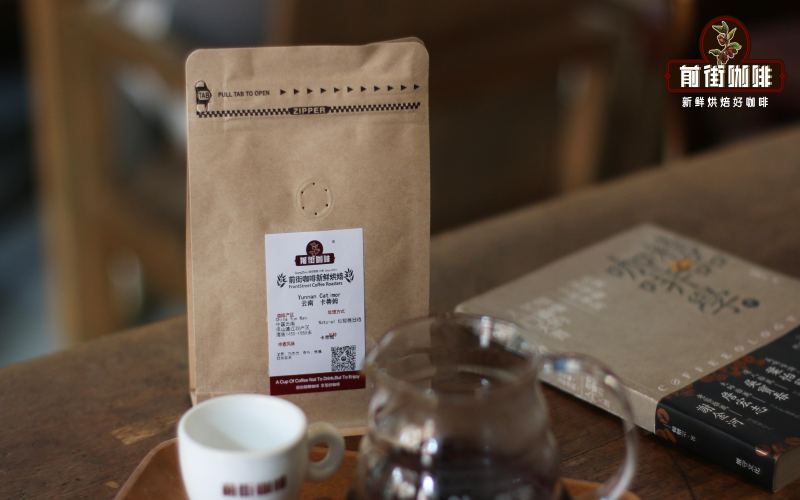
Yunnan coffee has emerged in the specialty scene in recent years, with more and more cafes adding Yunnan beans to their menus. Front Street Coffee's roasted bean lineup also includes several Yunnan options, including Baoshan small-bean everyday beans, 2013 Typica, and an exclusive natural-process Typica. Starting from flavor and mouthfeel, this article sorts out the washed and natural expressions of Yunnan small-bean coffee, traces the history of Typica's introduction and the real reasons why Catimor replaced Typica, and introduces Front Street's planting and processing experience at its own estate in Lincang. The article also includes the complete parameters for Front Street's hand-brewed Yunnan small-bean everyday beans at its stores, making it suitable for enthusiasts who want to gain a deeper understanding of Yunnan coffee varieties and flavors. [more…]
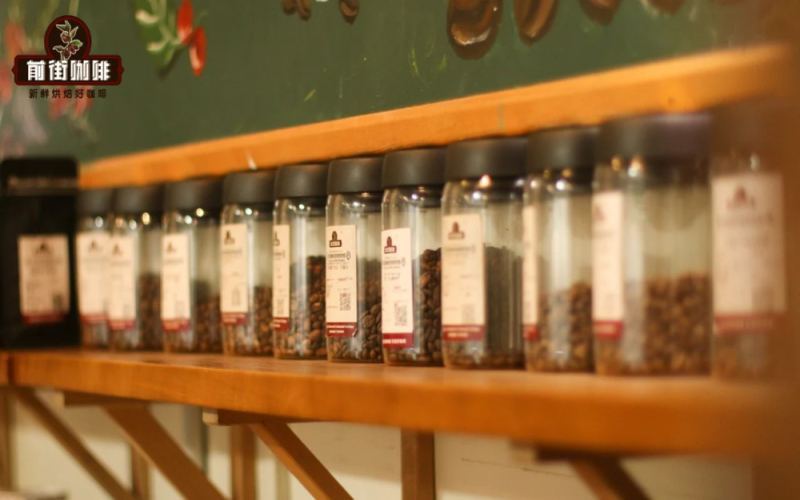
Explaining Single-Origin Coffee Bean Definitions and Regional Flavors: Front Street Coffee's Top Picks from Three Continents
This article is edited and written by FrontStreet Coffee and systematically explains the definition of single-origin coffee beans and the concept of regional flavors. Based on the flavor characteristics of the three major coffee-producing regions—Asia, Africa, and Latin America—it selects representative single-origin beans from the shop for detailed recommendations. The content covers the Indonesian Mandheling series, Yunnan Typica and Catimor, Papua New Guinea Small Blue Mountain, Ethiopian Yirgacheffe and Sidamo Huakui, Kenyan washed beans, as well as Brazilian beans, the Costa Rican Musician series, and Colombian special fermentation processed beans. Each coffee includes origin, altitude, variety, processing method, and flavor description, helping beginner coffee enthusiasts choose with ease according to their taste preferences. [more…]
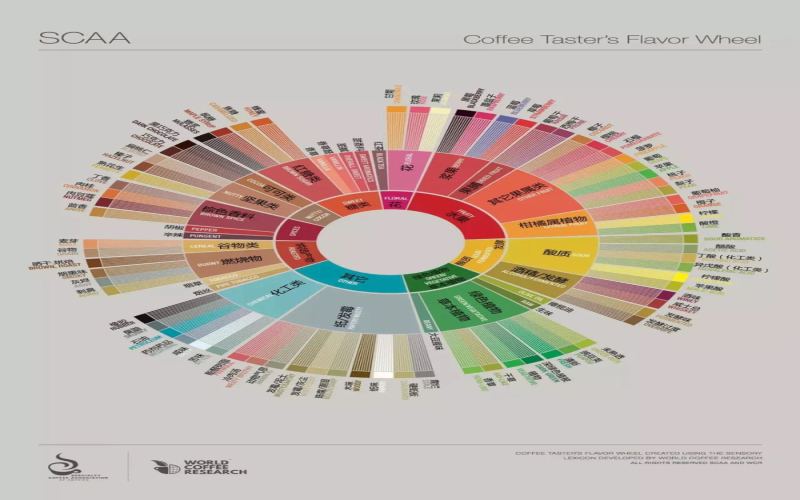
SCAA Coffee Flavor Wheel Full Analysis: Sensory Classification from Fermentation to Roasting and the Defect Deduction Mechanism
The SCAA Coffee Flavor Wheel is a core tool for specialty coffee enthusiasts to identify flavors, yet many people are still unfamiliar with it. This article systematically breaks down the left-right structure of the flavor wheel: the right side, the normal flavor spectrum, reveals the three major aroma sources of fermentation, sugar browning, and dry distillation, while the left side, the negative flavor spectrum, corresponds to the defective flavors produced by improper green bean processing, storage, and roasting. It also explains in detail the deduction rules for different defects in SCAA cupping—serious defects deduct 4 points, minor defects deduct 2 points—and how roasting and organic matter loss, although not deducting defect points, can lower flavor performance. The article includes the latest high-definition Chinese-English flavor wheel images and retains Front Street Coffee's communication channels, making it suitable for readers who want to gain a deeper understanding of coffee sensory evaluation. [more…]

How to Identify Coffee Bean Processing Methods? A Full Analysis of Flavors and Bean Appearance for Natural, Washed, Honey, and Wet-Hulled Processes
Faced with a dazzling array of coffee beans, how can you tell from their appearance and flavor which processing method they have undergone? Drawing on the practical experience of Front Street Coffee, this article teaches you to observe bean surface features such as remaining silver skin, the white line in the bean cleft, color, and sugar glazing, so you can quickly distinguish common processing methods like natural, washed, honey, and wet-hulled. At the same time, using examples from producing regions such as Yirgacheffe, it compares the flavor differences between natural and washed processing in terms of sweetness, complexity, and cleanliness, and extends to the craft logic of anaerobic processing and barrel fermentation, helping you understand more systematically how processing methods shape coffee flavor. [more…]

What Exactly Does Coffee Cleanliness Mean? A Comprehensive Analysis from Processing Methods to Brewing of the Relationship Between Layers and Cleanliness
When drinking coffee, people often exclaim, "This bean is so clean," but many can't clearly explain what cleanliness actually means. It really refers to the coffee's main flavors being clear and transparent, with no off-flavors or defects. Cleanliness is influenced by multiple factors including cultivation, processing, roasting, and brewing. Is washed coffee necessarily cleaner than natural coffee? Does bright acidity equal cleanliness? As ordinary consumers, what brewing details can we use to improve a cup of coffee's cleanliness? From Front Street's perspective, this article systematically sorts out the definition of cleanliness, common misunderstandings, and two practical tips—bean resting and gentle pouring—to help you taste and brew coffee more professionally. [more…]

Comparison of Brazilian and Bolivian Coffee Bean Flavors: An Analysis of Planting History, Variety Characteristics, and Pour-Over Taste Differences
Brazil and Bolivia are both South American coffee-producing countries, yet the coffees of the two countries each have their own distinctive flavors. As the "giant" of the coffee world, Brazil has enormous production, relatively soft beans, and flavors dominated by nutty, cocoa, and brown-sugar sweetness; Bolivia, although limited in production, presents deep sweetness and berry notes because of its high altitude and unique varieties. In this article, Front Street Coffee will guide you through the two countries' coffee-growing history and varietal characteristics, and, through a pour-over comparison, analyze the flavor differences between Brazil Cerrado Red Bourbon and Bolivia Java coffee beans, helping you gain a deeper understanding of how altitude and variety affect coffee taste. [more…]
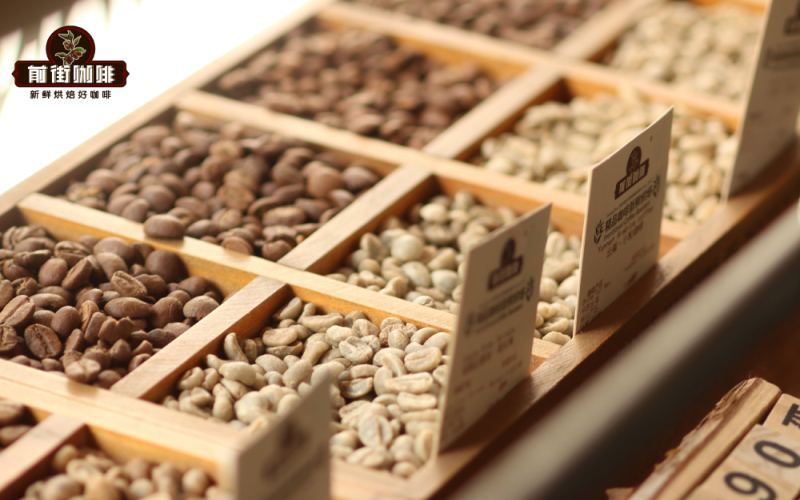
A Complete Guide to the Three Stages of Coffee Roasting: Flavor Differences and Chemical Reaction Principles of Light, Medium, and Dark Roasts
Raw coffee beans must undergo high-temperature roasting above 200°C to release their captivating flavors, and the degree of roasting directly determines the taste profile of the final cup of coffee. This article will systematically analyze the key differences among the three main categories—light roast, medium roast, and dark roast—and delve into how the Maillard reaction and caramelization reaction that occur during roasting affect coffee's sweetness, acidity, and body. At the same time, drawing on a selection of premium beans from Front Street Coffee, it provides specific bean selection references and brewing parameter recommendations for different roast levels. [more…]
A Global Roundup of the Top Ten Selected Coffee Bean Origins, with Front Street Coffee's High-Value Everyday Beans Recommendations
When selecting coffee beans, origin is often the key factor determining the direction of flavor. The world's major producing regions, due to differences in climate, altitude, and processing methods, give rise to coffee beans of widely varying styles. This article selects ten high-quality coffee origins worth trying, from Brazil's nutty and cocoa-toned profile to Ethiopia's floral and citrus notes, and on to the classic flavors of Panama's Hacienda La Esmeralda, analyzing the characteristics of each region one by one and including corresponding product recommendations from Front Street Coffee. Whether you are a beginner just getting started or a seasoned connoisseur looking for everyday beans, you can find the one that suits you, making every cup of coffee particular from the source. [more…]
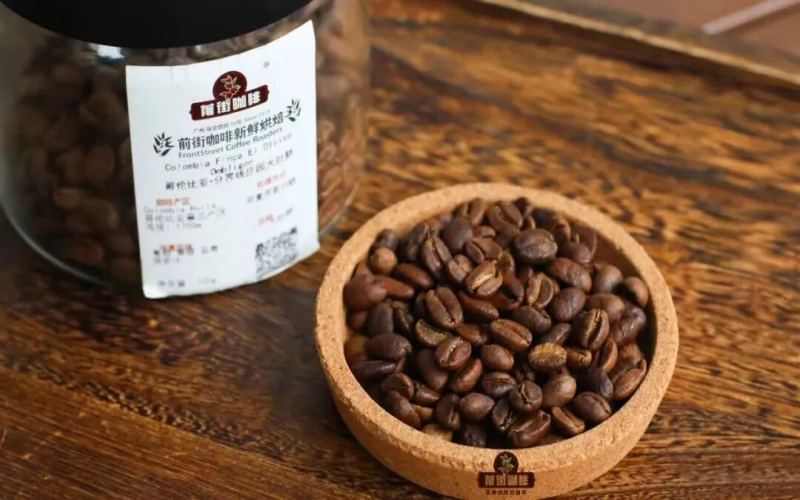
Coffee Bean Recommendations | What Is a Coffee Specialty Drink? Which Coffee Beans Are Suitable for Specialty Coffee Drinks? How Should Coffee Beginners Choose Coffee Beans for Making Specialty Coffee Drinks?
Specialty drinks are the third main category of coffee sold in coffee shops, alongside espresso-based and single-origin coffees. Specialty coffee drinks can be understood as the "cocktails" of the coffee world: creative beverages made by combining coffee with various traditional or non-traditional ingredients, setting them apart from conventional coffee. (Cof [more…]
Why Are African Coffee Beans So Highly Sought After? A Full Analysis of Origin Flavors, Variety Characteristics, and Grading and Processing
Coffee originated in Ethiopia, Africa, and today Africa remains a core region that cannot be overlooked on the specialty coffee map. From the floral and citrus notes of Ethiopia, to the berry-like acidity of Kenya, and on to the unique styles of Burundi, Rwanda, and Uganda, African beans have won over countless coffee lovers with their bright, lively acidity and intense aromas. This article will systematically sort through the flavor characteristics, variety backgrounds, grading systems, and processing methods of Africa's major producing regions, while also introducing several cost-effective African beans from the Front Street Coffee brand, to help you more clearly find the cup that suits your taste. [more…]
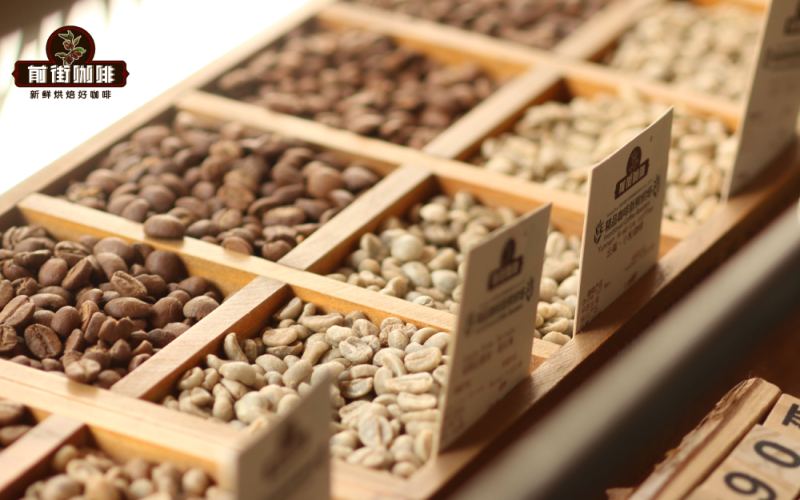
Coffee Bean Roast Levels | What Is the Maillard Reaction in Coffee? How Do Light, Medium, and Dark Roast Coffee Beans Differ in Flavor?
Coffee is a beverage brewed from coffee beans. Front Street believes that what makes coffee special is that green beans must be roasted before they can be used for preparation, and the roasting temperature reaches over 200 degrees Celsius, which is far higher than the roasting temperature for nuts. The length of roasting time is also related to the depth of the roast level, so it is not [more…]
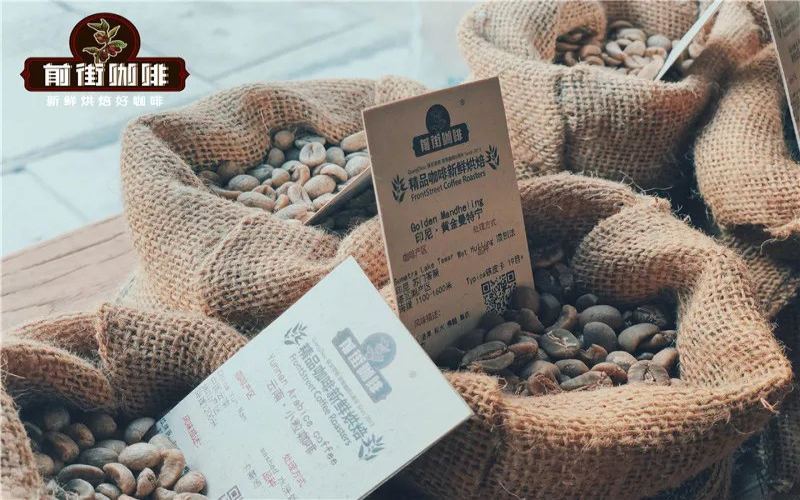
A Review of the Top Ten Classic Black Coffee Bean Origins and Flavors: A Tasting Guide from Blue Mountain and Geisha to Mandheling
In the world of black coffee, coffee beans from different regions and varieties each tell their own unique flavor story. Front Street Coffee has selected ten representative coffee beans from around the world, covering Jamaican Blue Mountain, Panama Geisha, Indonesian Mandheling, Ethiopian Huakui, Kenyan Little Tomato, Brazilian Yellow Bourbon, Colombian Sidra, Papua New Guinea Bird of Paradise, Yunnan Typica, and Costa Rican Mozart. These beans include both classic famous varieties known for their balance and richness, and emerging contenders that win people over with bright fruit acidity and fermented sweetness. This article will go through each bean one by one, covering its origin background, variety characteristics, processing method, and flavor performance, helping coffee lovers find the cup that suits their taste. [more…]
2021 Crop Huakui 5.0 vs. Small-Bean Huakui Coffee Comprehensive Review: Green and Roasted Bean Identification, Cupping Flavors, and Pour-Over Performance Comparison
The 2021 new-crop Huakui 5.0 coffee beans have arrived at the port. Front Street Coffee immediately carried out roasting and cupping, and specifically conducted a comparison with its own beloved small-bean Huakui coffee beans. This article will guide you through the evolution of the Huakui series from the 2017 TOH champion beans to Huakui 5.0, and explain why small-bean Huakui stands independently outside the X.0 series. Then, through a visual comparison of green beans and roasted beans, differences in cupping flavors, and performance under a unified pour-over recipe, it will present in detail the characteristics of the two beans: small-bean Huakui is closer to the rich strawberry-cream profile of the classic 2017 Huakui, while Huakui 5.0 shows brighter berry acidity and floral notes. Whether you are a Huakui enthusiast or are currently selecting new-crop beans, this review can provide practical reference. [more…]
Specialty Coffee Bean Flavor and Variety Analysis: The Four Taste Profiles of Sour, Bitter, Sweet, and Salty, and Coffee Choices Suitable for the Elderly
Walking into Front Street Coffee (FrontStreet Coffee), faced with more than 50 kinds of coffee beans on the menu, many first-time visitors often don't know where to start. How exactly are coffee flavors described? What are the characteristics of the four major taste spectra: sour, bitter, sweet, and salty? Where do the flavor differences among beans from the world's three major coffee-producing regions come from? And which groups of people are suited to the three major varieties Arabica, Robusta, and Liberica? Starting from Front Street Coffee's tasting experience, this article systematically sorts out the logic behind the formation of coffee flavors and the characteristics of the varieties, and offers drinking suggestions for older coffee lovers, helping you find your own cup in the dazzling world of coffee. [more…]

A Global Tour of the Top Ten Renowned Coffee Producing Regions: A Complete Analysis of Specialty Coffee Bean Flavors from Brazil to Yunnan
Coffee, tea, and cocoa are the world's three major beverages. Coffee beans from different producing countries exhibit distinctly different flavor characteristics due to differences in terroir. In this article, Front Street Coffee reviews the world's top ten single-origin coffee bean producing regions, covering Brazil, Indonesia, Colombia, Costa Rica, Ethiopia, Kenya, Guatemala, Jamaica, Hawaii, and Yunnan, China. From variety selection and processing methods to flavor performance, it analyzes the core characteristics of each producing region one by one. It also introduces the blending concepts and brewing performance of several representative coffee beans under the Front Street brand, providing coffee enthusiasts with a systematic guide to regional flavors. [more…]